What to Wear to Interview: Complete 2025 Guide for Success
Choosing the right interview outfit can make or break your first impression and significantly impact your chances of landing the job. In 2025, interview attire continues to follow professional standards while adapting to modern workplace cultures. This comprehensive guide covers essential dressing rules for interviews, industry-specific requirements, and proven strategies that help candidates stand out for all the right reasons during their job interviews.
Essential Rules for Dressing for an Interview
Understanding the fundamental rules for dressing for interviews forms the foundation of professional presentation. According to 2024 recruiting data from the Society for Human Resource Management, 73% of hiring managers make initial judgments within the first 30 seconds of meeting a candidate. Your appearance directly influences these critical first impressions and sets the tone for the entire interview process.
The five core rules include ensuring your outfit is clean and wrinkle-free, choosing appropriate colors that convey professionalism, selecting well-fitted clothing that flatters your body type, avoiding distracting accessories or excessive jewelry, and maintaining proper grooming standards. These interview dressing guidelines apply universally across industries, though specific requirements may vary based on company culture and position level.
Professional Color Choices That Get You Hired
Research from CareerBuilder shows that specific colors significantly impact hiring decisions, with navy blue leading as the best color for interviews at 23% preference among recruiters. Dark colors like navy, charcoal gray, and black project authority and competence, while lighter shades such as light blue and white convey trustworthiness and approachability. Avoid bright, distracting colors like neon green or orange that can shift focus away from your qualifications during the interview process.
Proper Fit and Tailoring Guidelines
Well-fitted clothing demonstrates attention to detail and self-respect, qualities highly valued by employers. Your interview outfit should allow comfortable movement without appearing loose or restrictive. Suit jackets should sit properly at the shoulders with sleeves ending at your wrist bone, while pants should have a slight break at the shoe. For dresses and skirts, maintain professional lengths that fall at or below the knee to ensure appropriateness across all industries.
What to Wear Interview Women: Complete Guide
Women have numerous professional options for interview outfits, ranging from traditional business suits to modern separates and dresses. The key is selecting pieces that project confidence while maintaining conservative professional standards. A well-tailored blazer serves as the cornerstone of most successful female interview looks, instantly elevating any outfit combination.
For conservative industries like finance or law, stick with classic business attire including pantsuits or skirt suits in neutral colors. Creative fields allow more flexibility with stylish dresses, statement blouses, or modern separates, but maintain professional boundaries. Always ensure your outfit choice aligns with the company culture you’ve researched beforehand.
Professional Dress Options for Women
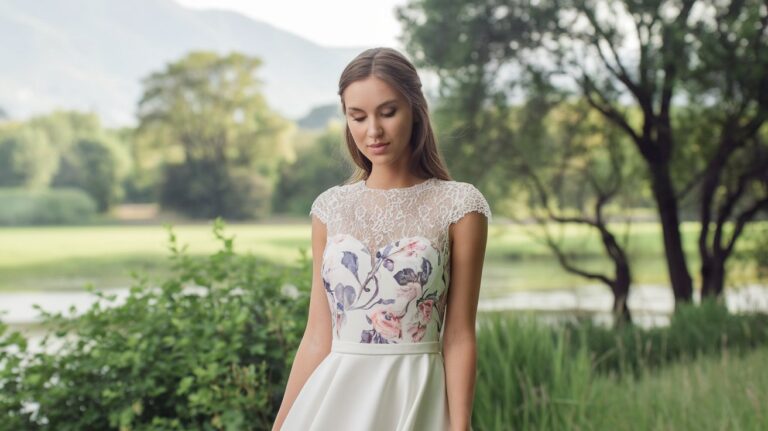
A structured midi dress offers an excellent alternative to traditional suits for female interview attire. Choose dresses with simple detailing, appropriate necklines, and professional silhouettes that maintain coverage while looking polished. Pair with a blazer for added formality and closed-toe shoes with modest heels. Avoid overly trendy styles or busy patterns that might distract from your professional presentation during the interview.
Blazer and Separates Combinations
Building a professional look with separates provides versatility and cost-effectiveness for women’s interview clothing. A quality blazer in navy or charcoal can be paired with dress pants, pencil skirts, or even dark denim for more casual company cultures. Choose blouses or shells in complementary colors, ensuring proper coverage and professional necklines that won’t cause discomfort or distraction during your interview conversation.
What to Wear Interview Men: Professional Standards
Men’s interview attire traditionally centers around the business suit, though modern workplace cultures have expanded acceptable options. A well-fitted suit remains the gold standard for most professional interviews, projecting competence, attention to detail, and respect for the opportunity. The key is choosing appropriate combinations that align with industry expectations while ensuring personal comfort and confidence.
For traditional corporate environments, stick with dark-colored suits paired with white or light blue dress shirts and conservative ties. Tech companies or creative industries may accept business casual interview wear like dress pants with button-down shirts and optional blazers. Research the company dress code beforehand to match their professional standards appropriately.
Essential Suit Selection for Men
A quality men’s interview suit should fit properly across the shoulders, chest, and waist while allowing comfortable movement. Navy blue and charcoal gray remain the most versatile and professional choices for business interviews. Ensure proper trouser length with minimal break at the shoes, and choose classic lapel styles that won’t appear dated. Invest in quality fabrics like wool or wool blends that maintain their shape throughout long interview days.
Business Casual Options for Modern Workplaces
Many contemporary companies embrace business casual interview attire for men, allowing dress pants with button-down shirts, optional blazers, and leather shoes without requiring full suits. Stick with neutral colors and classic styles, avoiding overly casual items like polo shirts or sneakers unless specifically indicated by the employer. This approach works well for tech startups, creative agencies, or companies with explicitly casual dress codes.
How to Dress for an Interview by Industry
Different industries maintain distinct professional standards for interview clothing requirements, making research essential before selecting your outfit. Traditional sectors like banking, law, and consulting typically require formal business attire, while creative fields, tech companies, and startups may embrace more relaxed professional standards. Understanding these nuances helps you align your appearance with company culture and demonstrate cultural fit from the first meeting.
Healthcare and education sectors generally prefer conservative professional dress that projects trustworthiness and competence. Retail and hospitality industries often reflect their brand image in employee presentation, while government positions usually require traditional business formal attire. Always research specific company cultures and industry norms to make appropriate interview outfit choices.
Conservative Industries: Finance and Law
Financial services, law firms, and consulting companies maintain strict professional dress codes requiring formal business attire for interviews. Men should wear dark suits with conservative ties and dress shoes, while women need business suits or professional dresses with blazers. Avoid trendy styles, bright colors, or casual elements that might appear unprofessional in these traditional corporate environments where appearance directly reflects competence and attention to detail.
Creative and Tech Industry Flexibility
Creative agencies, tech companies, and startups often encourage individual expression while maintaining professional interview standards. Men can opt for dress pants with button-downs and optional blazers, while women might choose stylish dresses, modern separates, or even polished dark jeans in very casual environments. The key is looking intentionally professional rather than overly formal, showing you understand and respect the company’s cultural values.
What to Wear to an Interview Teenager Guidelines
Teenage job seekers face unique challenges when selecting appropriate interview attire for young adults, often lacking extensive professional wardrobes while needing to project maturity and responsibility. The goal is achieving a polished, age-appropriate look that demonstrates respect for the opportunity without appearing to wear borrowed or ill-fitting adult clothing. Focus on clean, conservative basics that can be mixed and matched for different interview opportunities.
For entry-level positions, part-time work, or internships, teenage interview clothing doesn’t require expensive suits but should maintain professional standards. Dark pants or khakis with button-down shirts work well for young men, while young women can choose simple dresses, blouse and pant combinations, or skirts with appropriate tops. Avoid overly casual items like graphic tees, athletic wear, or heavily distressed clothing that might undermine your professional presentation.
Budget-Friendly Professional Options for Teens
Building a professional interview wardrobe on a budget requires strategic shopping and versatile pieces that work across multiple occasions. Shop at discount retailers, thrift stores, or borrow appropriate items from family members when possible. Focus on classic, simple pieces in neutral colors that can be mixed and matched, avoiding trendy items that quickly go out of style or appear too casual for professional settings.
Age-Appropriate Professional Styling
Teenagers should aim for age-appropriate professional looks that demonstrate maturity without appearing costume-like or uncomfortable. Choose well-fitted clothing in your actual size rather than borrowing oversized adult pieces. Keep accessories minimal and classic, focus on good grooming and hygiene, and practice walking and sitting comfortably in your chosen outfit before the actual interview day.
What Not to Wear to an Interview: Common Mistakes
Understanding interview clothing mistakes to avoid is equally important as knowing what to wear, as certain choices can immediately eliminate candidates from consideration. According to 2024 hiring manager surveys, inappropriate attire ranks among the top three reasons for first-round rejections, making outfit selection a critical success factor. Common mistakes include overly casual clothing, inappropriate fit, distracting accessories, poor grooming, and failing to research company culture beforehand.
Avoid wearing athletic wear, flip-flops, shorts, or clothing with logos, graphics, or controversial messages that might offend or distract interviewers. Inappropriate interview attire also includes overly revealing clothing, strong fragrances, excessive jewelry, or anything that draws attention away from your qualifications and conversation. When in doubt, err on the side of being slightly overdressed rather than too casual for the interview setting.
10 Tips for Dressing for an Interview Successfully
Implementing proven interview dressing strategies significantly improves your chances of making positive first impressions and advancing in the hiring process. These ten essential tips combine traditional professional standards with modern workplace expectations, helping you navigate changing dress codes while maintaining appropriate professional presentation. Each tip addresses specific aspects of interview preparation that directly impact hiring decisions.
The ten key tips include: research company culture beforehand, choose conservative colors and styles, ensure proper fit across all garments, invest in quality shoes and accessories, practice wearing your complete outfit, prepare backup options for weather or wardrobe malfunctions, focus on excellent grooming and hygiene, avoid strong scents or distracting elements, select comfortable clothing that allows confident movement, and remember that professional interview appearance should enhance rather than overshadow your qualifications and personality during the conversation.
Related video about what to wear interview
This video complements the article information with a practical visual demonstration.
Key Questions and Answers
What are 5 rules for dressing for an interview?
The five essential rules include: wear clean, wrinkle-free clothing that fits properly; choose conservative colors like navy, black, or gray; avoid distracting accessories or excessive jewelry; maintain excellent grooming and hygiene standards; and research the company culture to match their professional expectations appropriately.
What is the best outfit to wear to an interview?
The best interview outfit is a well-fitted business suit in navy blue or charcoal gray for traditional industries, paired with appropriate shoes and minimal accessories. For casual companies, business casual attire like dress pants with button-down shirts works well, but always err on the side of being slightly overdressed rather than too casual.
What color is most likely to get hired?
Navy blue is the most preferred color among hiring managers at 23% according to recruiting surveys, followed by black and charcoal gray. These colors project authority, competence, and professionalism while remaining versatile across different skin tones and company cultures.
What is the biggest red flag to hear when being interviewed?
The biggest red flag is when interviewers make negative comments about your appearance, ask inappropriate personal questions, or indicate the position differs significantly from the job description. However, regarding attire, arriving in inappropriate clothing like shorts, flip-flops, or overly casual wear signals poor judgment and lack of preparation.
How should teenagers dress for job interviews?
Teenagers should wear age-appropriate professional clothing like dark pants with button-down shirts for men, or simple dresses and blouse combinations for women. Focus on clean, well-fitted basics from budget-friendly retailers rather than expensive suits, avoiding casual items like graphic tees or athletic wear.
Can I wear business casual to any interview?
Business casual is appropriate only after researching the company culture thoroughly. Conservative industries like finance and law typically require formal business attire, while tech companies and creative fields may accept business casual. When uncertain, choose formal business dress to demonstrate respect and professionalism.
| Interview Attire Aspect | Professional Standard | Career Benefit |
|---|---|---|
| Color Selection | Navy blue, charcoal gray, black for authority | 73% positive first impression impact |
| Proper Fit | Tailored, comfortable, allows movement | Projects attention to detail and self-respect |
| Industry Research | Match company culture and expectations | Demonstrates cultural fit and preparation |
| Grooming Standards | Clean, conservative, minimal accessories | Enhances professional credibility |